
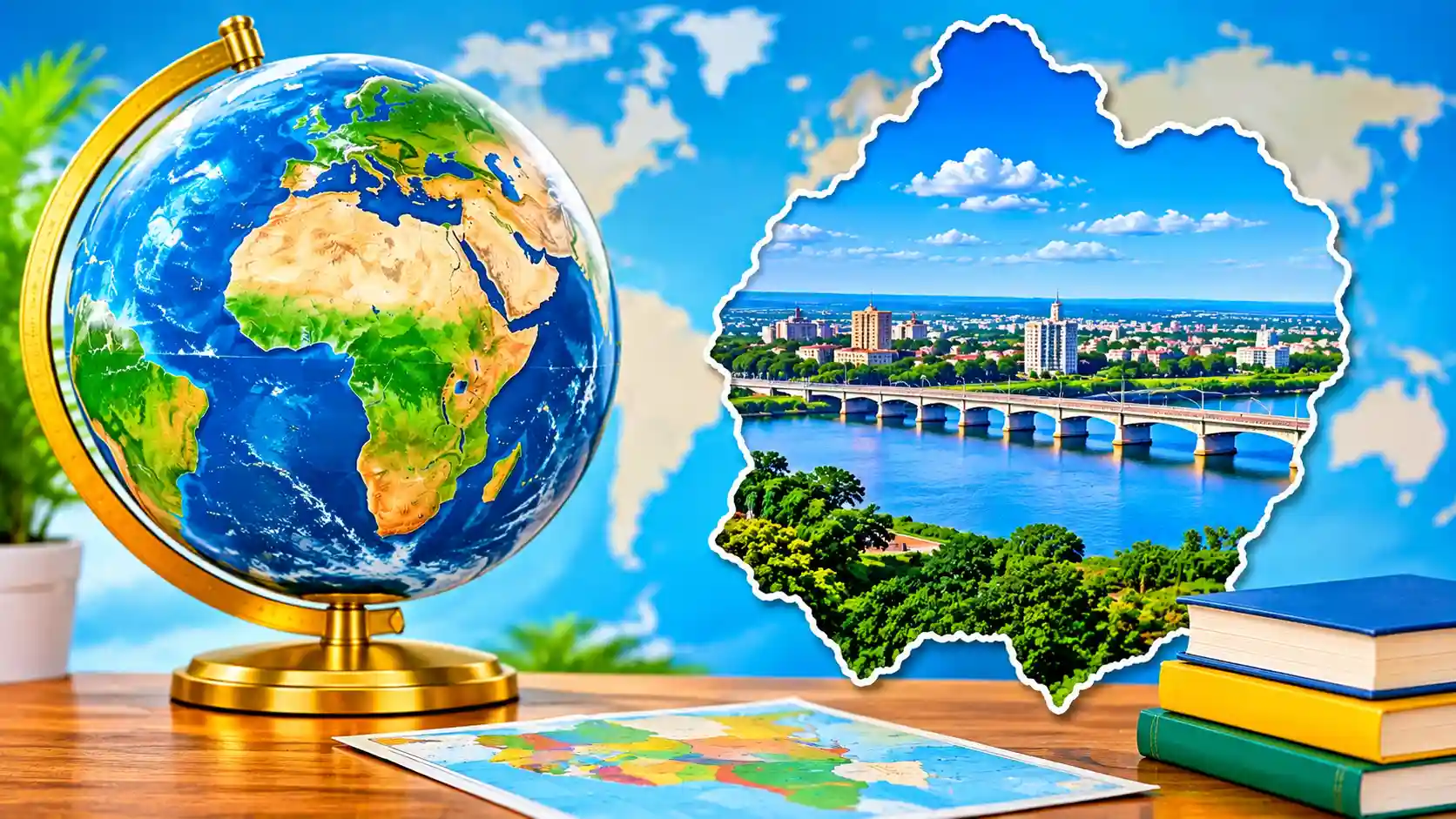
What is a country?
Legal definition of a country, criteria recognised by international law, the notion of recognition, official counts and differences between state, country, nation, dependent territory and autonomous region.
A country is, in its simplest sense, a defined territory and the population that lives in it. But as soon as you try to count the world's countries, the definition becomes more demanding: you have to distinguish the country in the geographical sense (a space, a landscape, a climate) from the country in the legal sense, that is, the sovereign state, the only entity able to sign treaties, to exercise full authority over its territory and to sit at the United Nations.
International law does not rely on a "world court" that awards the title of country. Statehood is assessed on the basis of a set of criteria — mainly those of the 1933 Montevideo Convention — supplemented by the practice of international relations, in particular UN admission and diplomatic recognition. This is why the counts vary: 193 UN member states, 195 with the permanent observers, up to about 198 depending on the entities taken into account, and 249 codes if dependent territories are included.
This page presents the generally accepted criteria, the notions of sovereignty, recognition and effectiveness, as well as the differences between country, state, nation, dependent territory, autonomous region and federated subdivision.
The 4 criteria of the Montevideo Convention
Signed on 26 December 1933 in Montevideo (Uruguay) at the 7th International Conference of American States, the Convention on the Rights and Duties of States remains the most frequently cited reference for defining a state. Its Article 1 lists four constituent elements.
A permanent population
A stable human group living permanently on the territory. Nationality and permanent residence distinguish a state from a mere temporary occupation. No minimum threshold is required: the Vatican functions with a few hundred residents.
A defined territory
A geographical base, on land, at sea and in the air, over which the state exercises its powers. Borders may be disputed without calling the state's existence into question; very small territories are accepted (Monaco: 2.02 km²).
A government
An effective political authority, able to enforce the law, levy taxes, administer justice and ensure security on its territory. A government in exile, without territorial control, does not meet this condition.
The capacity to enter into relations
The ability to establish diplomatic relations and conclude treaties with other states. This is the criterion of independence: no other state should exercise supreme authority in its place.
Additional criteria often cited
- Sovereignty: monopoly on the legitimate use of force internally, independence externally.
- Effectiveness: real control over the territory and the population, more important than a mere declaration of independence.
- International legality: a state cannot arise from the use of force or from the violation of a peremptory norm of international law.
- Respect for fundamental rights: a political rather than legal condition, invoked in admission procedures to international organisations.
Recognition: two main approaches
Recognition is the act by which one state acknowledges the existence of another state and agrees to maintain relations with it. Two theories compete in legal scholarship, and contemporary practice clearly leans towards the second.
| Approach | Principle | Practical consequence |
|---|---|---|
| Constitutive theory | A state exists legally only from the moment it is recognised by other states. | Recognition would create the state; the absence of recognition would prevent any legal existence. |
| Declaratory theory | The state exists as soon as it meets the objective criteria (Montevideo); recognition merely acknowledges this reality. | The dominant approach today, consistent with Article 3 of the Montevideo Convention. |
De jure and de facto recognition
- De jure recognition: definitive and legally formalised; it opens the way to full diplomatic relations.
- De facto recognition: provisional and pragmatic, limited to certain contacts, without a definitive commitment.
- Severing diplomatic relations: this does not mean withdrawing recognition; the state continues to exist legally.
How many countries are there in the world?
There is no single figure: the number depends on the counting method used. Here are the main counts used by international institutions, sports organisations and databases.
| Counting method | Number | What it includes |
|---|---|---|
| UN member states | 193 | The most widely used international reference for statistics and comparisons. |
| Members + permanent observers | 195 | 193 members + the Holy See and Palestine, which hold permanent observer status at the General Assembly. |
| Common extended count | 195 to 198 | Addition of entities with a territory and a government that are recognised by part of the international community. |
| National Olympic Committees (IOC) | 206 | Used for sports rankings; includes non-sovereign territories (Guam, Puerto Rico, Hong Kong…). |
| FIFA member associations | 211 | The broadest sports count; it does not correspond to a list of sovereign states. |
| Official ISO 3166-1 codes | 249 | States and dependent territories, dependencies and special areas (Antarctica, etc.). A standard used in logistics and computing. |
| List of non-self-governing territories (UN) | 17 | Territories whose populations have not yet fully exercised their right to self-determination, monitored by the Decolonisation Committee. |
Figures relating to entities with limited recognition change over time and with diplomatic relations. This page does not take a position on disputed situations: it limits itself to describing the counting methods and their differences.
Country, state, nation, territory: what are the differences?
These four terms are often used as synonyms in everyday language, although they refer to distinct realities in geography and international law.
| Term | Definition | Examples |
|---|---|---|
| State | A sovereign legal entity meeting the Montevideo criteria. The only subject of international law able to sign treaties and join the UN. | France, Japan, Brazil, Kenya |
| Country | An everyday term, both geographical and cultural: an identifiable territory and the population living there. Can refer to a state as well as to a non-sovereign entity. | "The Basque Country", "Wales", "Scotland", "France" |
| Nation | A human community sharing an identity, a language, a history or a culture. A nation can exist without a state of its own, or be spread across several states. | Catalan nation, Kurdish nation, Corsican nation |
| Territory | A defined geographical area, on land or at sea. A neutral term, with no connotation of sovereignty. | Territory of the European Union, overseas territory |
| Dependent territory | An entity attached to a sovereign state and lacking international sovereignty, even if it has broad internal autonomy. | Greenland (Denmark), Faroe Islands, Guernsey, Jersey, Isle of Man, Gibraltar |
| Autonomous region | A subdivision of a state with its own powers (language, taxation, education), but without international legal personality. | Catalonia, Scotland, South Tyrol, Åland |
| Federated state | A component of a federal state. It has its own constitution and institutions, but sovereignty belongs to the federation. | Bavaria, Texas, canton of Zurich, province of Quebec |
| Microstate | A very small sovereign state, fully recognised, often a UN member. | Vatican (0.44 km²), Monaco, San Marino, Andorra, Liechtenstein, Nauru, Tuvalu |
Dependent territories and non-sovereign entities
Many entities have a flag, a capital, a population and sometimes a currency without being sovereign states. They appear in sports rankings and in certain databases, which explains part of the gap between the counts.
The main categories
- Non-self-governing territories listed by the UN (17): territories whose decolonisation process is not complete, monitored by the Special Committee on Decolonisation.
- British Crown Dependencies: Guernsey, Jersey and the Isle of Man, which are not part of the United Kingdom but fall under the Crown.
- Overseas territories: French overseas collectivities, British Overseas Territories, Dutch territories (Aruba, Curaçao, Sint Maarten), Danish territories (Greenland, Faroe Islands).
- Autonomous regions: Åland (Finland), Faroe Islands (Denmark), South Tyrol (Italy), Azores and Madeira (Portugal).
- Special areas: Antarctica (governed by the 1959 Antarctic Treaty signed in Washington), which has an ISO code but no state sovereignty.
Why do these entities appear in lists?
- Statistics: national institutes and international organisations produce separate data for these territories.
- Sport: international federations admit non-sovereign territories (Guam, Puerto Rico, Hong Kong, Faroe Islands, Gibraltar).
- Standardisation: the ISO 3166-1 standard assigns a code to each territory, whether sovereign or not.
- Tourism and travel: these territories often have their own customs and immigration rules.
How a state enters the international community
There is no "single window" for creating a state, but several steps consistently recur in practice.
| Step | Content |
|---|---|
| Meeting the objective criteria | Permanent population, defined territory, effective government, capacity to establish external relations. |
| Declaration and effectiveness | Proclamation of independence, real control over the territory, establishment of institutions. |
| Bilateral recognitions | Gradual establishment of diplomatic relations with other states. |
| UN admission | Recommendation by the Security Council, then a decision by the General Assembly by a two-thirds majority. |
| Membership of specialised organisations | IMF, World Bank, WHO, UNESCO, WTO, etc. |
| Technical standardisation | Assignment of an ISO 3166-1 code, a telephone dialling code and an internet domain code (ccTLD). |
UN admission is the most consensual practical indicator, but it remains a collective political decision: it does not replace the legal analysis of the Montevideo criteria.
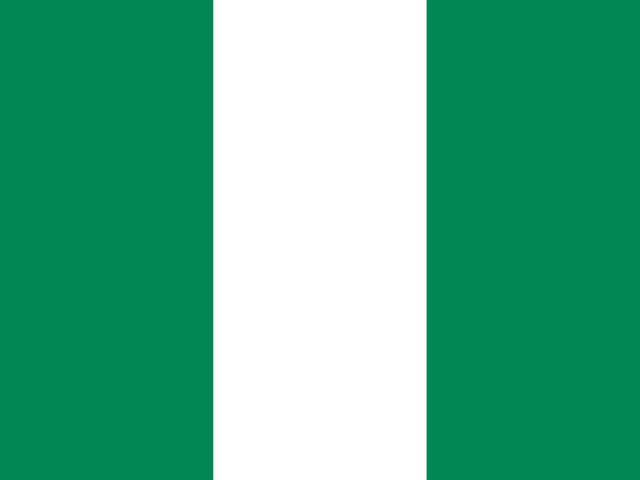 Nigeria
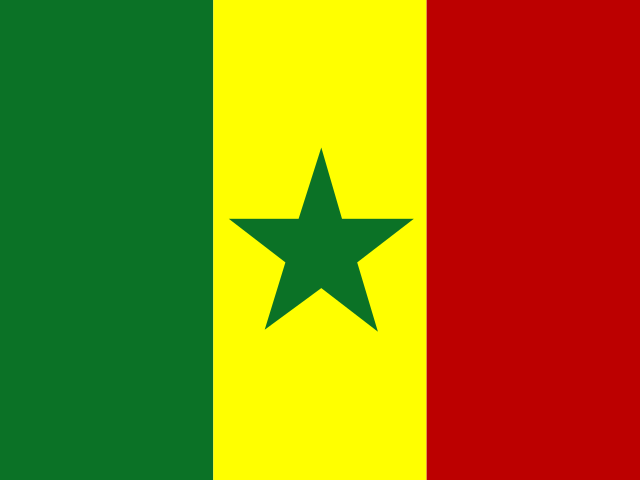 Senegal
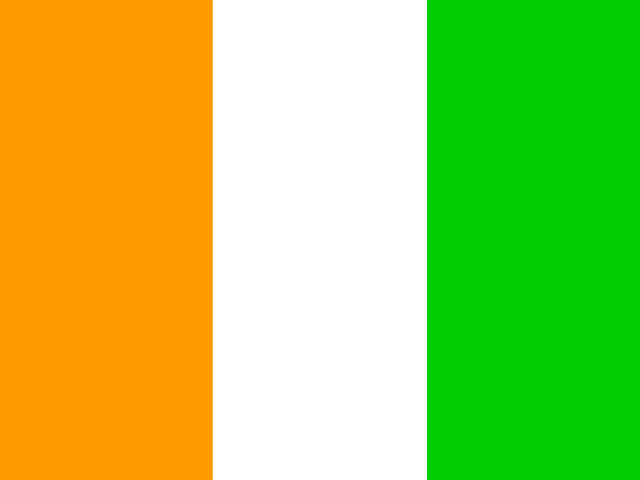 Ivory Coast
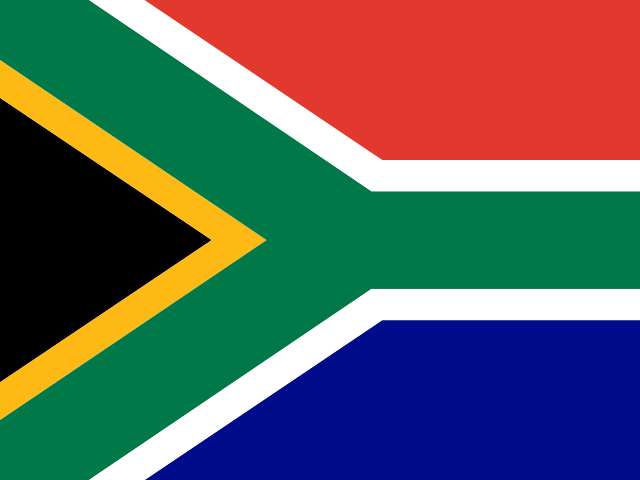 South Africa
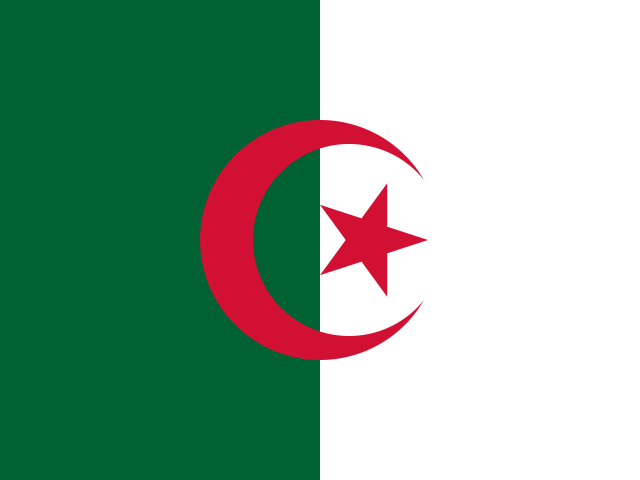 Algeria
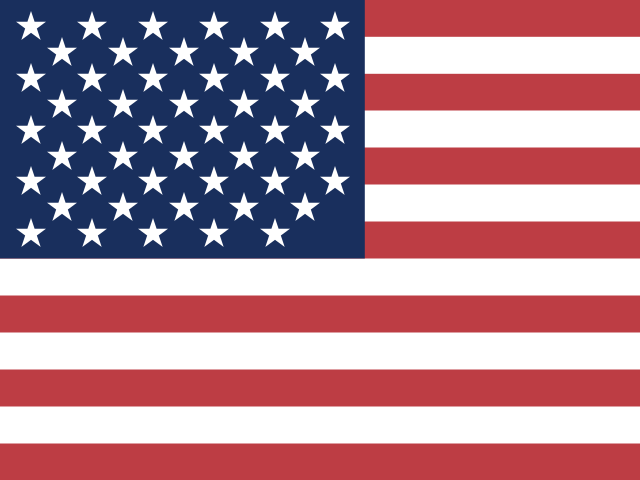 United States
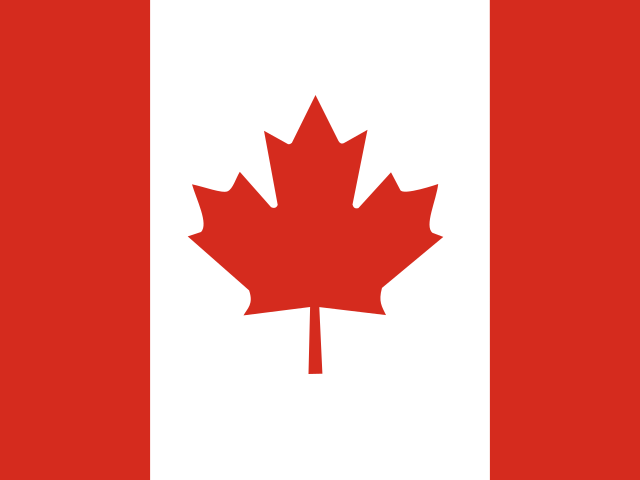 Canada
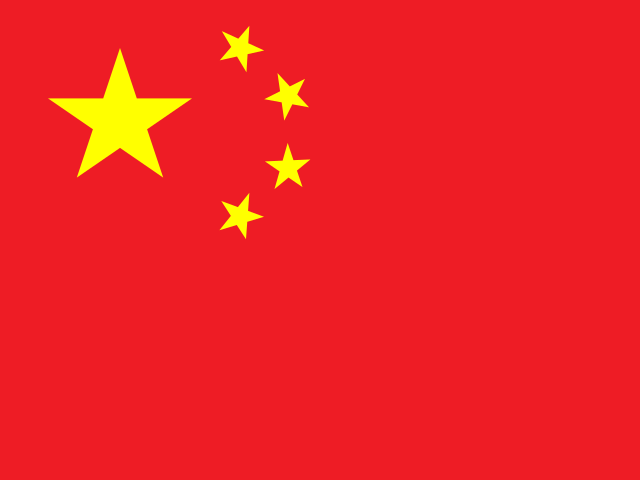 China
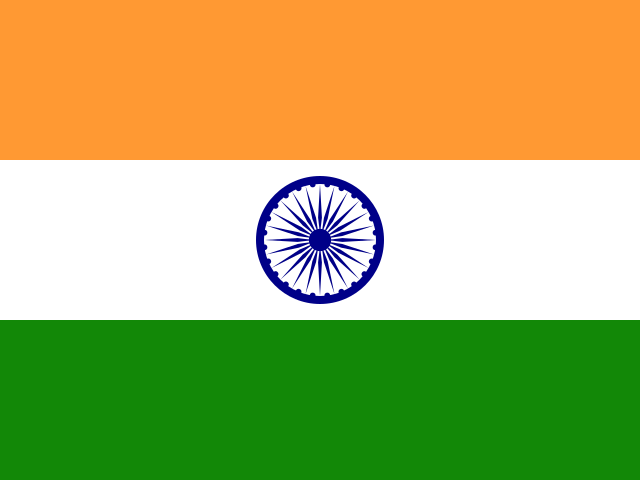 India
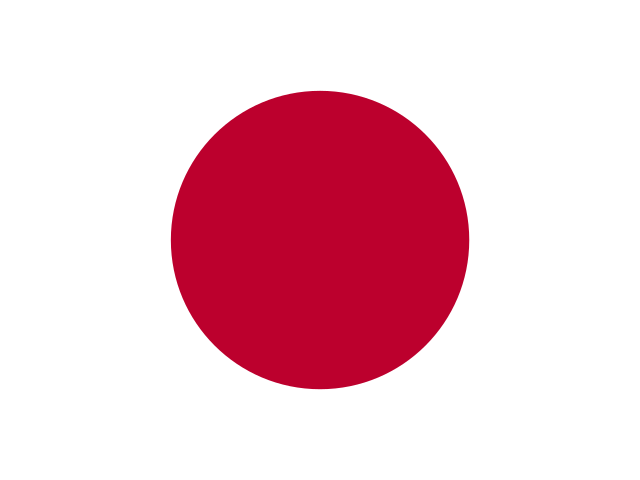 Japan
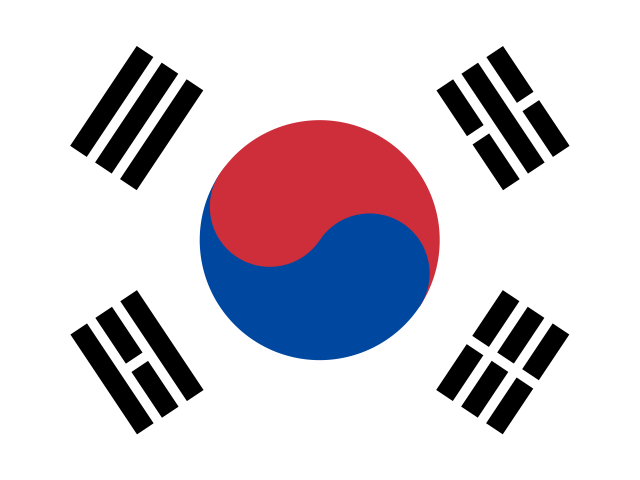 South Korea
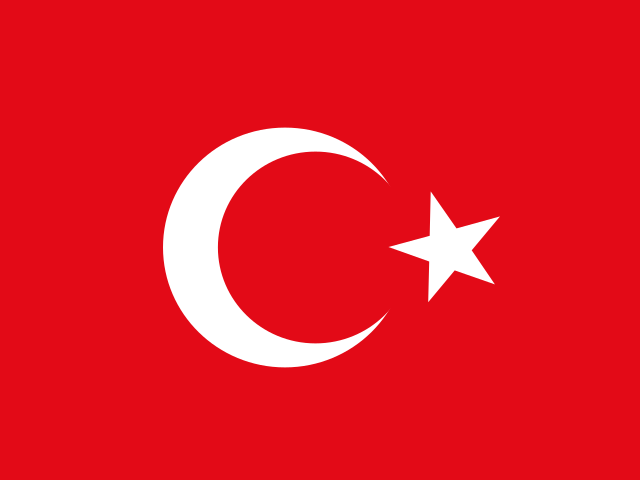 Turkey
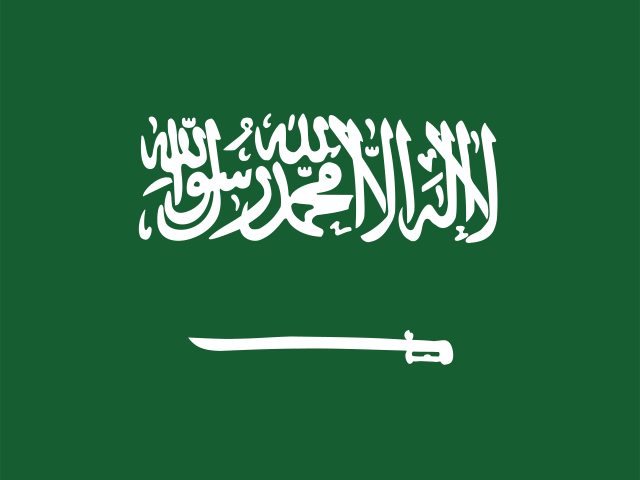 Saudi Arabia
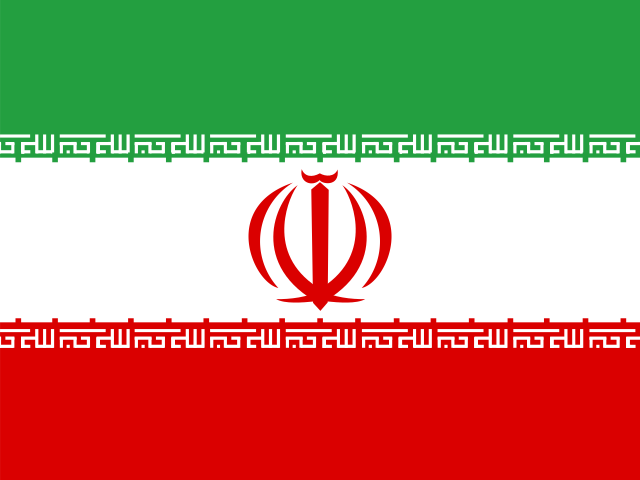 Iran
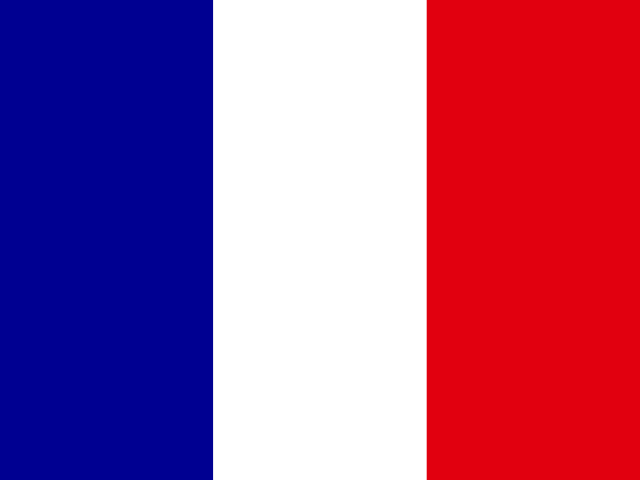 France
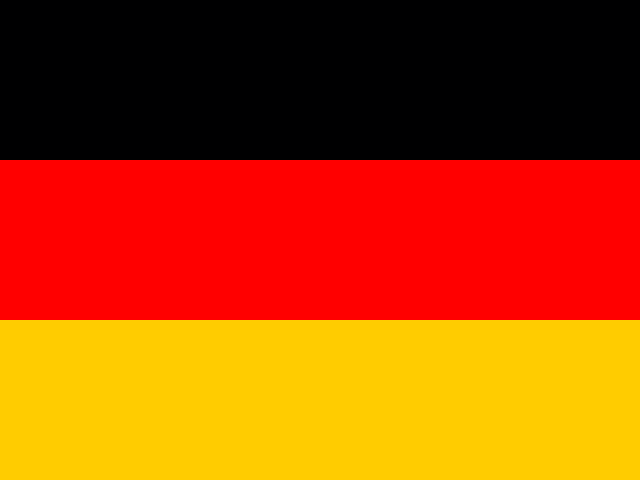 Germany
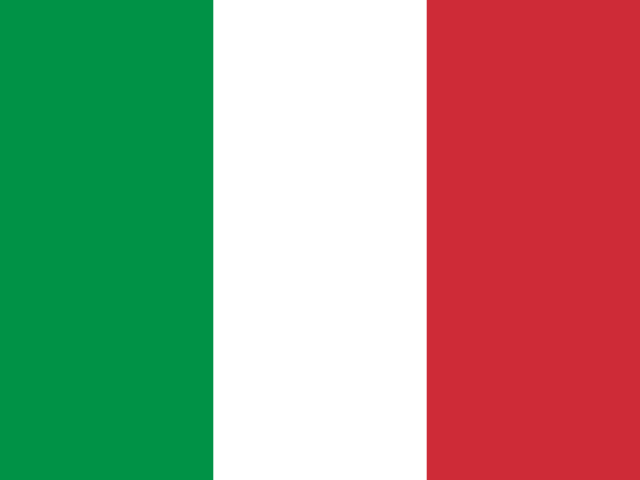 Italy
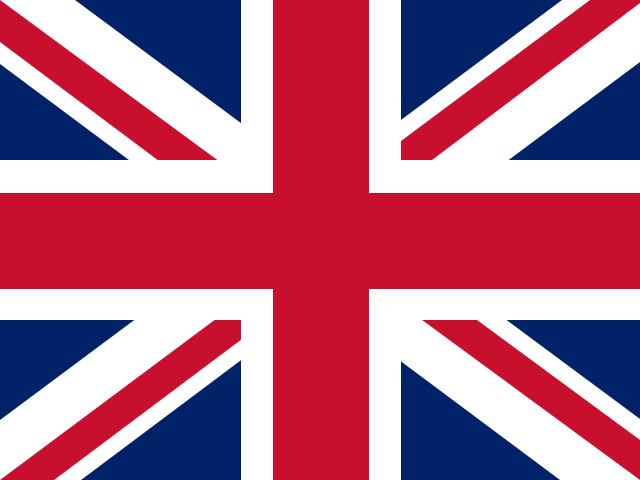 United Kingdom
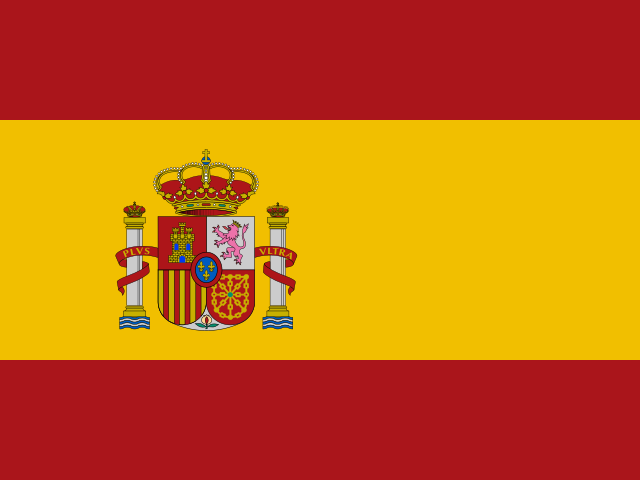 Spain
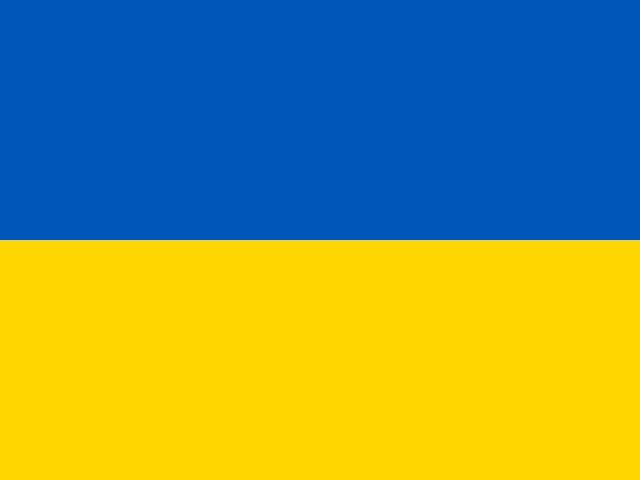 Ukraine
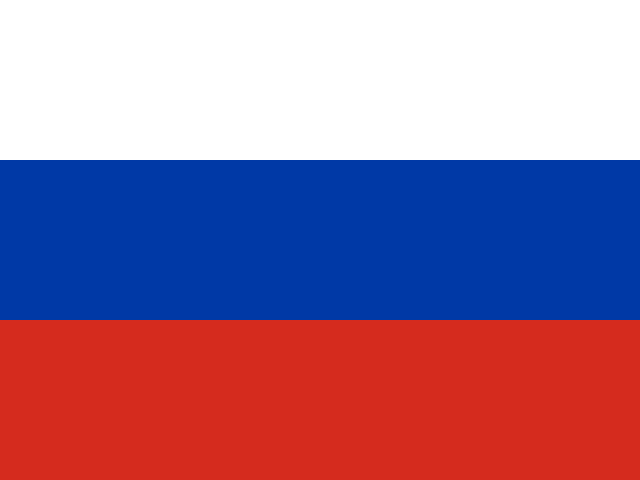 Russia
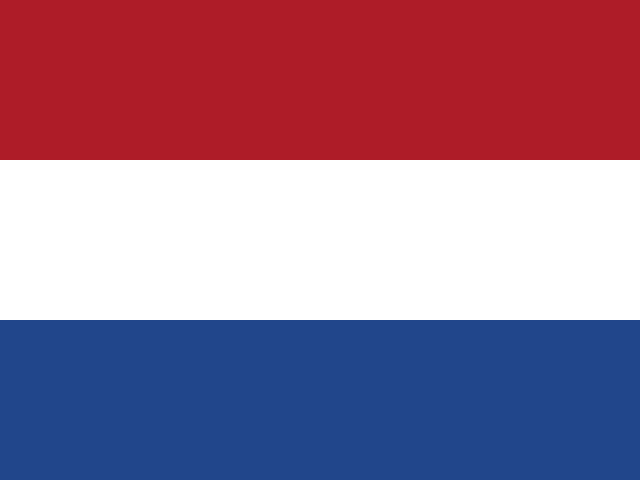 Netherlands
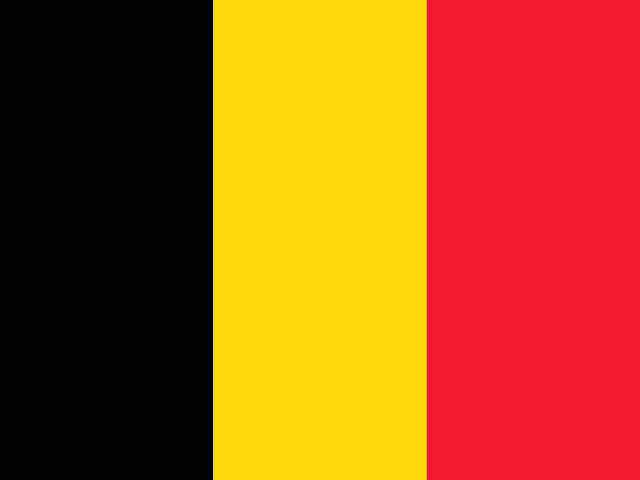 Belgium
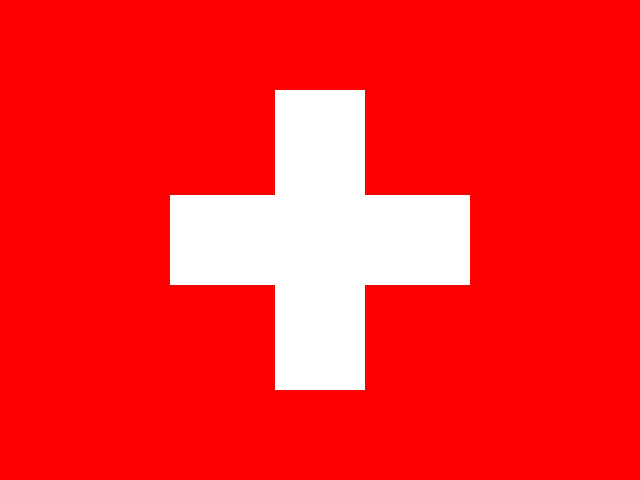 Switzerland
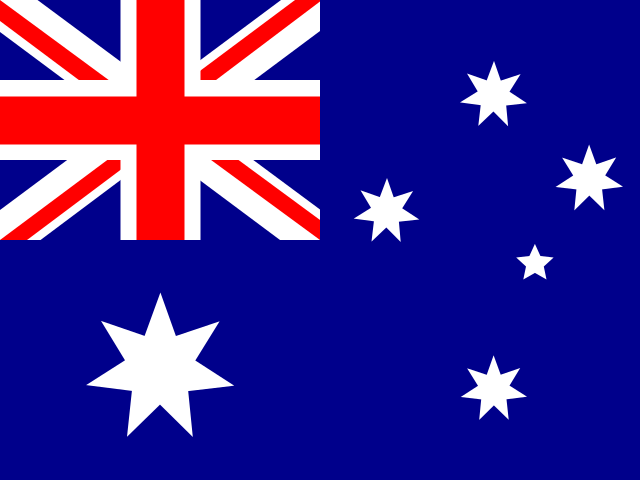 Australia
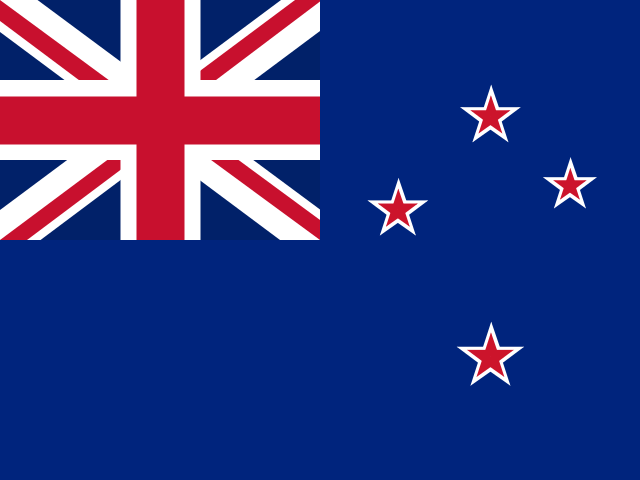 New Zealand